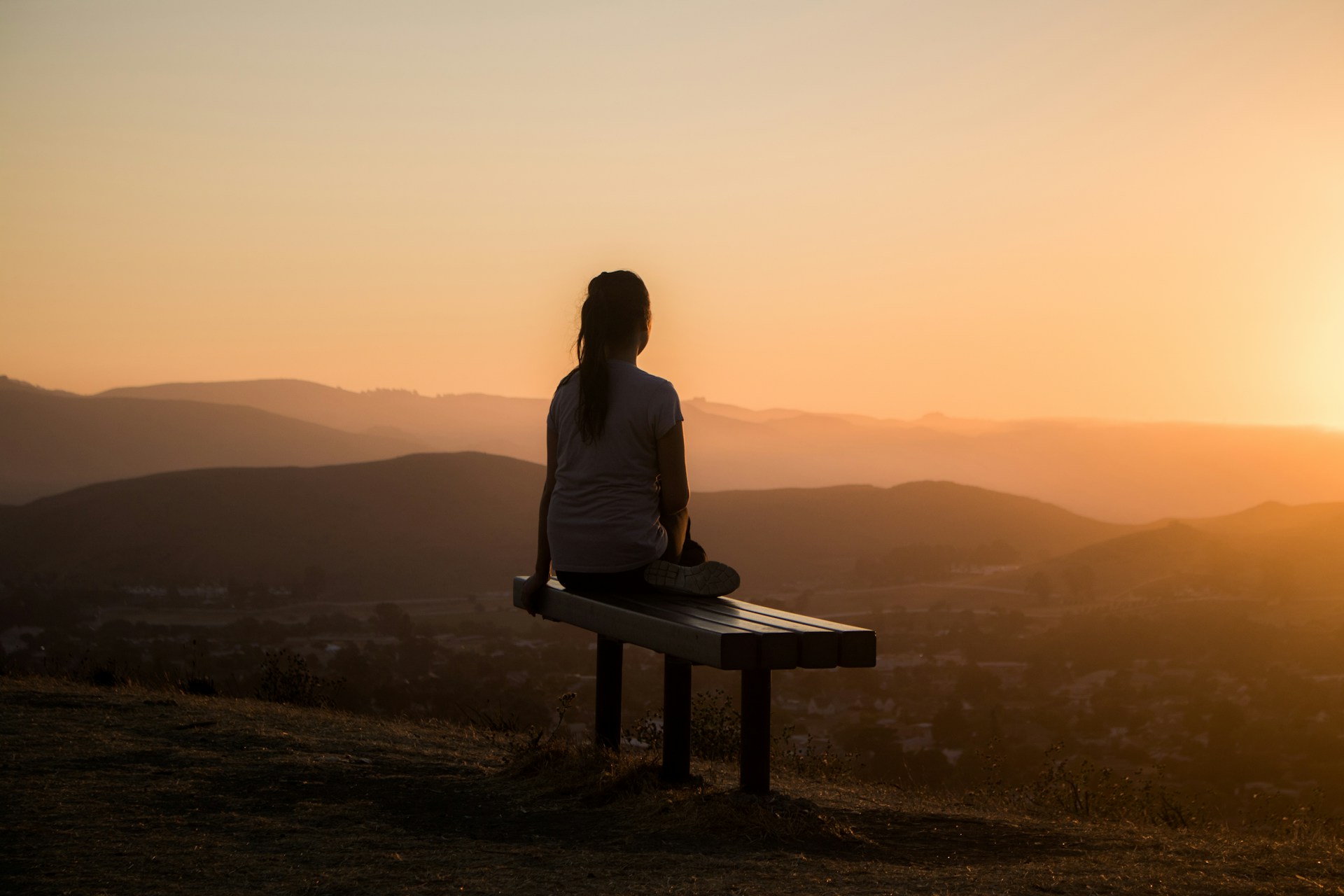
People arrive with different expectations. Some think it is about emptying the mind. Some expect a technique. Some are not sure why they came, only that something sent them.
Meditation is none of the complicated things people have been told it is. It is the practice of being present. Fully here. Right now. That is the whole of it.
It is not a religion
Meditation has no theology. It asks you to adopt no belief, join no group, and abandon nothing you already hold. A Christian can meditate. A Muslim can meditate. An atheist can meditate. A person who has given up on all frameworks can meditate — perhaps more easily than anyone.
What you believe about the universe is irrelevant to the practice. What matters is where your attention is right now. Is it here? Or is it in a thought about yesterday, or a worry about tomorrow? That question — and the honest answer to it — is the beginning of meditation.
It is about focus
The mind wanders. This is not a problem — it is simply what minds do. The practice of meditation is the practice of noticing when the mind has wandered, and returning. Not with frustration. Not with self-criticism. Simply returning. Again and again. Each return is the practice. Each return strengthens the capacity to be present.
Over time, this capacity extends beyond the session. You become more able to be here — in a conversation, in a difficult moment, in joy — rather than somewhere else in your head. That is the real result of meditation. Not bliss. Presence.
You already know how
You have been fully present before. In a moment of great beauty. In a crisis that demanded all of you. In the seconds just after laughter. In those moments, the mind was quiet, not because you tried to quiet it, but because life was vivid enough to hold your full attention.
Meditation is the practice of cultivating that quality intentionally — so it becomes available to you whenever you choose it, not only when life forces it.